
The best roguelike games on PC
Find chaos and challenge in the best roguelike games on PC


When choosing the best roguelikes to play on PC in 2026, it’s easy to get distracted by naming conventions and bogged down in that oh so very boring space where genre debates exist. (Edwin has spent a good deal of time trying to get to the bottom of the roguelike/roguelite debate.) What’s clear in 2026 is that roguelikes are very much in vogue, so much so that roguelike elements and systems have bled into just about every other kind of game. As such, we don’t intend to have a lengthy discussion about roguelike vs roguelite here, nor will we be sucked into deciding on a strict set of rules and guidelines under which the games in this list must be categorised. The best roguelikes featured in this list are all brilliant games, and that’s really all that matters.
Every game featured below, however, does make the most of what makes roguelikes so special, so moreish, and so satisfying to play. Built around runs, each play of a roguelike sees you building a temporary character that will be lost when you die. No other genre so masterfully balances risk and reward quite like this one. As your build grows ever more chaotic, and gameplay modifiers stack atop one another in creaking towers that could collapse at any moment, you’ll understand the unique pleasures found in the roguelike genre.
Of course, it’s entirely possible that your own personal favorite roguelike isn’t featured on this list. If that’s the case, feel free to head onto the comments and make your argument. We often include the best suggestions from you, the community, in our best of lists, so we absolutely want to know which roguelikes you’ll go to bat for.
The best roguelike games on PC
Here’s our full list of the best roguelikes on PC in 2026. They’re presented in no particular order, so don’t fret if you find your absolute favourite featured higher up on the page. Where we have them, you’ll also find links to our reviews on each game. We recommend giving these a read for even more context as to why we hold a particular game in such high regard. Let’s dive in.
- Vampire Survivors
- Nova Drift
- Unexplored 2: The Wayfarer's Legacy
- Returnal
- Endless Dungeon
- Balatro
- Darkest Dungeon 2
- FTL: Faster Than Light
- The Binding Of Isaac
- Streets Of Rogue
- Caves Of Qud
- Noita
- Wildermyth
- Risk Of Rain 2
- Hades 2
- Slay The Spire
- Against The Storm
- Mewgenics
- Ball X Pit
- Wall World
- Slice And Dice
- Dead Cells
- Spelunky 2
- Into The Breach
Vampire Survivors
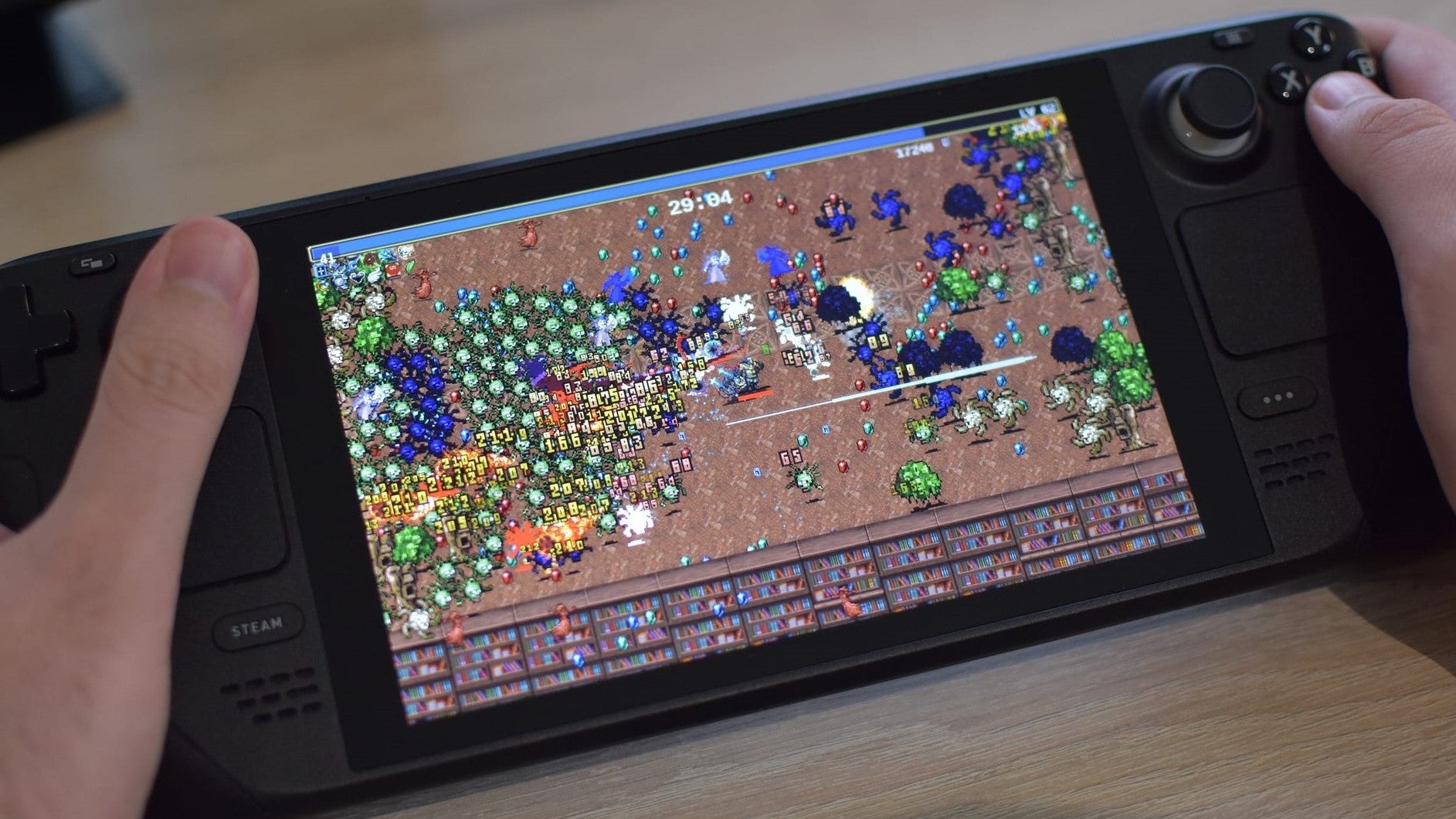
When Matt published his Vampire Survivors review back in 2022 (and the early access review before that), I don’t think he quite knew just how influential the game would end up being. It has accidentally created an entire subgenre. And why not? It's so simple. There are basically four buttons to this auto-shooting crowd controller. Up, down, left, and right. Okay, you have to select an upgrade from a level-up menu that appears every minute or so. But that's basically it - collect gems, don't get hurt. You'd think something this straightforward would have caught on decades ago. But no, it took until 2022 for people to realise the most important indivisible part of a video game is "slurp dat jewel".
It's not, let's say, a tidy game. The menus look like a phone game from 2009 and the sprites care less about texel density than they do about touching your sweet, sweet collision box. But with every death things get wackier, the screen more full of rando enemies, your pockets full of wilder abilities. Starting up Vampire Survivors is like busting open a 2 kilogram bag of peanuts you buy in LIDL every week because they are coated in some mysterious MSG flavour that you cannot stop eating. Imagine Devil Daggers, but all the enemies have bad knees and you don't have to aim.
Nova Drift

'Asteroids, but it's a roguelike' sounds straightforward, yet that doesn't capture the sheer scale of invention in Nova Drift. Starting with a small 2D ship armed with a piddling little laser cannon, as you destroy waves of incoming asteroids and enemies you're offered upgrades that mutate and augment your weaponry. Over the course of a run, your weaponry becomes radically different, and you must construct a build that will keep pace with the growing power of your enemies. You might create a battering ram that explodes once its shields are overloaded. Or you might end up with a sleek and agile craft that stacks shrapnel and grenades for maximum damage potential. The sheer variety from run to run makes it an easy game to recommend.
Unexplored 2: The Wayfarer's Legacy
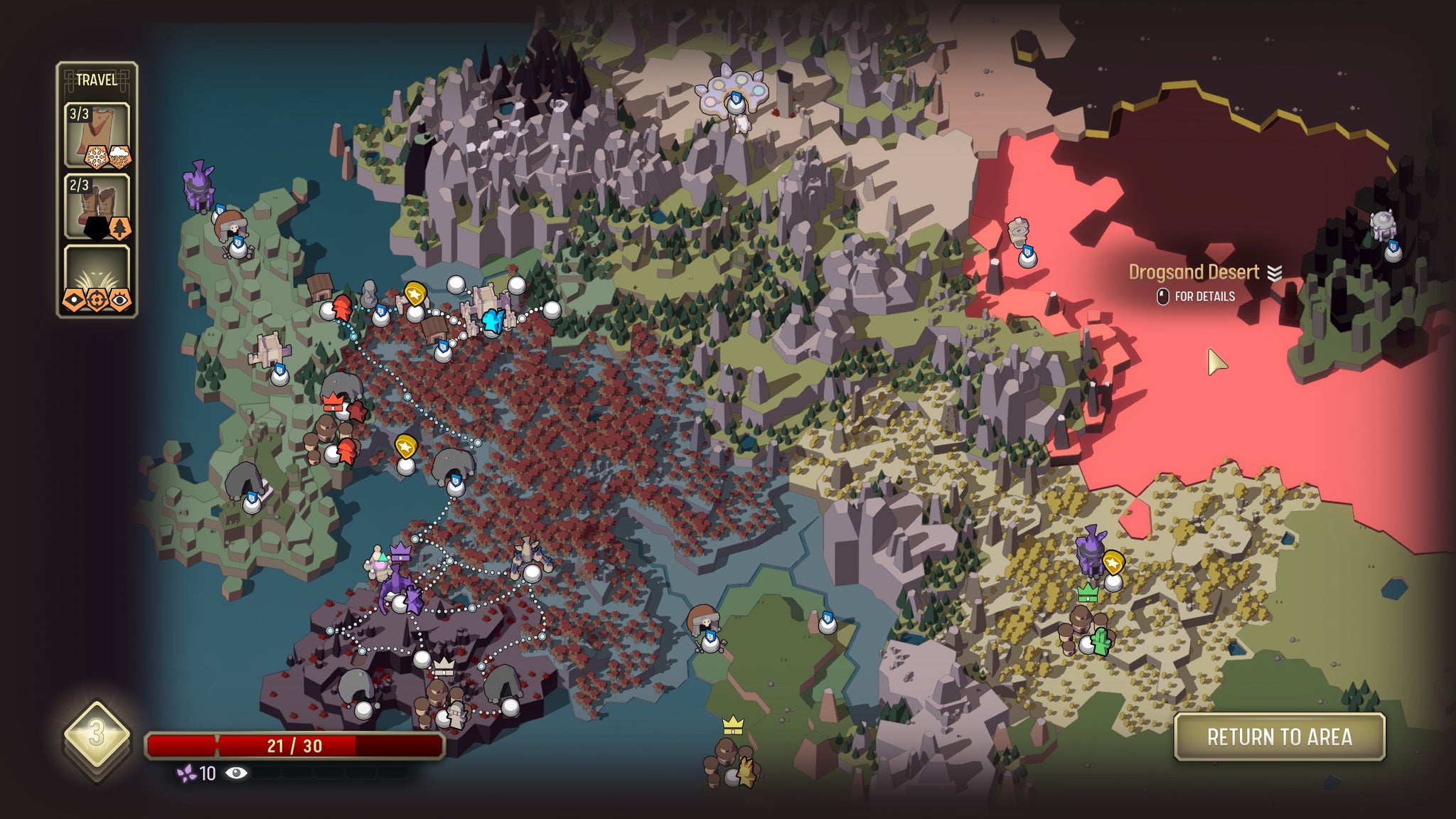
Unexplored 2 does two clever things with regard to its top-down fantasy adventuring. First, it abolishes money. The traders in the game's many towns and settlements will only operate on the barter system. In other words, if you want a new sword, you might need to give up your boots. The second clever thing happens when you die. As your bones sink into the dirt, whole years pass until your next adventurer is ready to go. This happens in seconds, a map of the world changing as factions and evil empires spread and retreat. Meaning friendly places you visited in a former life may now be held by your worst enemies.
All this (and other unexpected features) combine to make Unexplored 2 understatedly special. It isn't a fiercely combat-heavy game, rewarding you more for chatting and sneaking than for swinging a sword. But in sticking to its principles of exploration and discovery, it stands apart as a game for those who like to wander. Brendan's Unexplored 2 review summarises it brilliantly: “vitally, Unexplored 2 makes the player feel adventurous and special. Even when you've got no money, no XP, and no shoes.”
Returnal

The roguelike is the realm of the indie. Crunchy pixels, ASCII art, tiny teams, and affordable prices - you'll find no shortage of these things on this list. But what if a AAA studio went big with the genre. What if you applied a blockbuster mentality to the dive-and-die game design that every small studio already knows is perfect popcorn gaming? You might come out with something like Returnal. A bullet hellish third-person shooter about a spacewoman trapped in a time loop on an alien world she barely understands. You'll have all the randomised levels and item choices that force you to create a "build" on the hoof, and the slow meta-progression that lets you get a little further into the time loop with every failure. But you also have the mocap and voice acting expected of a PlayStation-published pew-pew.
Jon's Returnal review praised the game’s PC port, though there’s since been even more added to the game. There is an end to your hero's time-trapped terror (big game story gotta have closure) but like all good roguelikes you can continue endlessly if you desire, with the aptly named Tower of Sisyphus mode.
Endless Dungeon

Endless Dungeon was made for turret fans. The kind of gamer who always plays the Engineer in Team Fortress 2, who picks Torbjorn in Overwatch 2, and who won't listen to as you talk about a cool roguelike you're into because they're busy transfixed on the phone playing some random tower defence game about goblins or tanks or... hey. HEY! I'm trying to tell you something here! Ahem. In his Endless Dungeon review, Brendan described it as "escorting the mulebot from Deep Rock Galactic through a sci-fi Hades, with tower defence." If you enjoy the twin-stick appeal of blasting your way through a space station for a few floors, while simultaneously managing the routes waves of enemies will take, then here you go.
The biggest complaint about this shooty schlockathon is that the "Endless" is a bit of a misnomer - you won't get the same seemingly infinite variety from it as others on this list. And fans of its 2D spiritual predecessor Dungeon Of The Endless may not like the new form. But I will forever defend (with turrets) its door-dashing and desperate last stands.
Balatro
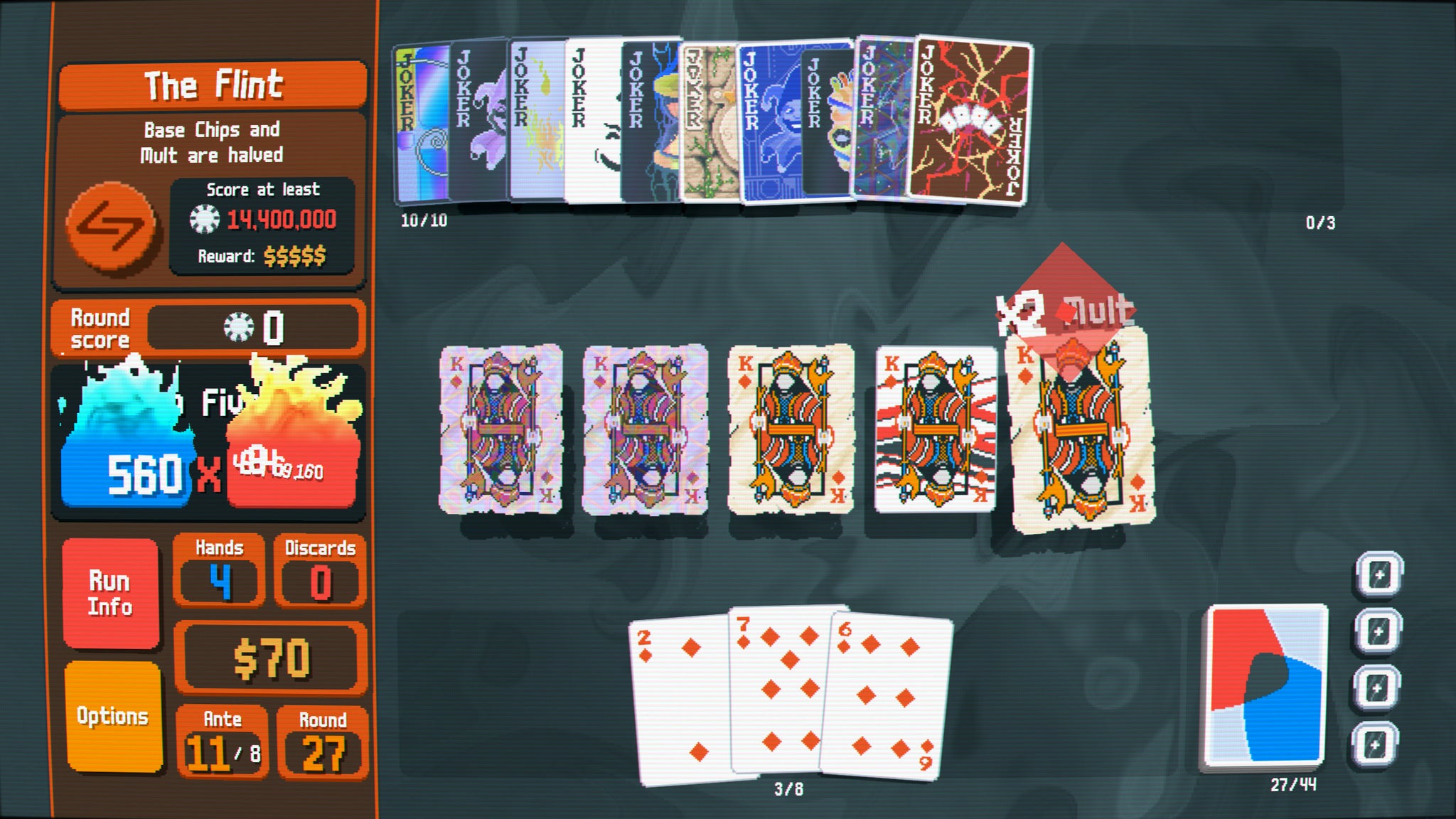
Gambling has always been a central pillar of the roguelike. Choosing to drink an unlabelled potion is just a thirsty wager against god. Balatro takes things back to the casino. In one sense the game is simple. It is poker. In another sense, it is lunacy. (In a third sense it is actually Big Two, but that's enough senses for now). You are tasked with breaking a ceiling of points by making a strong poker hand. Perhaps you get a full house, well done. Now the points required are tripled. And there appears to be no solution. WRONG. Balatro soon foists upon you weird and wonderful modifiers. Jokers shaped like credit cards which let you go into debt to buy upgrades. Tarot cards that turn all your spades into diamonds. Spectral cryptids that create copies of other cards held in your hand. With each upping of the ante your stack of winnings soars to more ludicrous heights. But we all have to cash in our chips some time.
If you haven’t at least tried Balatro yet, then the best time to start is actually yesterday. If that doesn’t suit you, then today works as well. If you need a bit more convincing, check out Katharine's Balatro review.
Darkest Dungeon 2
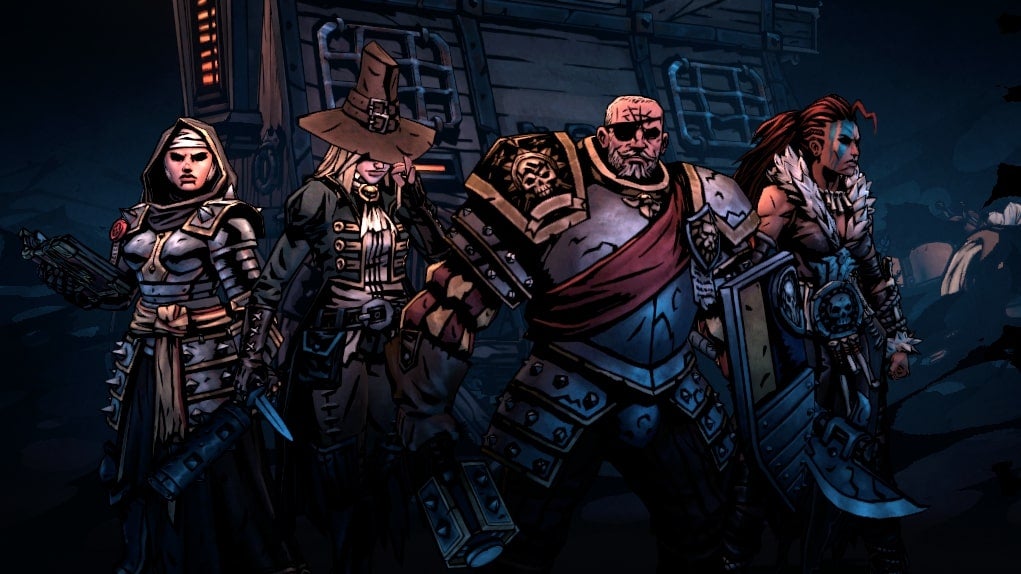
In the first Darkest Dungeon, success would often ride on how much sanity your troubled band of dungeoneers could retain when faced with horrible odds and freakish monsters. The psychic snapping of one character would often lead to an insanity cascade as things went horribly wrong, fast. In this sorrow-soaked sequel, there is a similarly important system underlying your team's struggles. This time, it is all about relationships. If your team has strong bonds, if they are lovers or best pals for instance, they will buff one another in battle. But if they've gotten rowdy on the road, or harbour some resentment, they will chide and blame each other in the middle of a fight, debuffing one another at the worst possible moments.
It's a great way to add some tension, not to mention an excuse to constantly reevaluate your team's composition. Is it really worth having that bitter Doctor around, when everyone dislikes him and he is always insulting the Man-at-Arms? Leana's Darkest Dungeon 2 review delves into how this tension builds and builds until eventually, one of your team has to go.
FTL: Faster Than Light

For every failed run in FTL, you will float away with a tiny, glimmering space anecdote. Tell me about the time your hull got ripped open by robots, or the time you had to suspend life support for three people just to have enough power to keep weapons systems alive for one. Or the time you opened the airlock to remove oxygen in engineering, because a fire was threatening to blow the ship to pieces. It didn't matter that your chief engineer was still in there. You had no time, right? Who could judge you? You'll pick up a new engineer in the next system, anyway. FTL was a relatively small game that led the way for a lot of chaotic tomfoolery that would follow. It's not only one of our favourite roguelikes, it's one of our best space games too. And, come to think of it, one of YOURS. Ah, it's so pleasant when we all agree. Huh? You don't? Please step this way and let's talk about it. Yes, this way, into the airlock.
The Binding Of Isaac: Rebirth

A poo-obsessed roguelike with Zelda-style dungeons in which your hero is a sad foetus who defeats enemies by shooting them with his tears. Yep. Even after all these years it still feels weird to explain. You travel from single-screen room to single-screen room collecting upgrades that will, in theory, make defeating your abusive mother a little easier. Rebirth is a newer version of the game, with new music, a new engine and more. See how it handles improving the original in Alec's The Binding Of Isaac: Rebirth review.
Not one for the queasy, developer Edmund McMillen intentionally exhibits his scatological humour alongside religious symbolism with a fervour that will have you worrying about exactly how much urine is going to spill into Satan's face. Hopefully a lot.
Streets Of Rogue
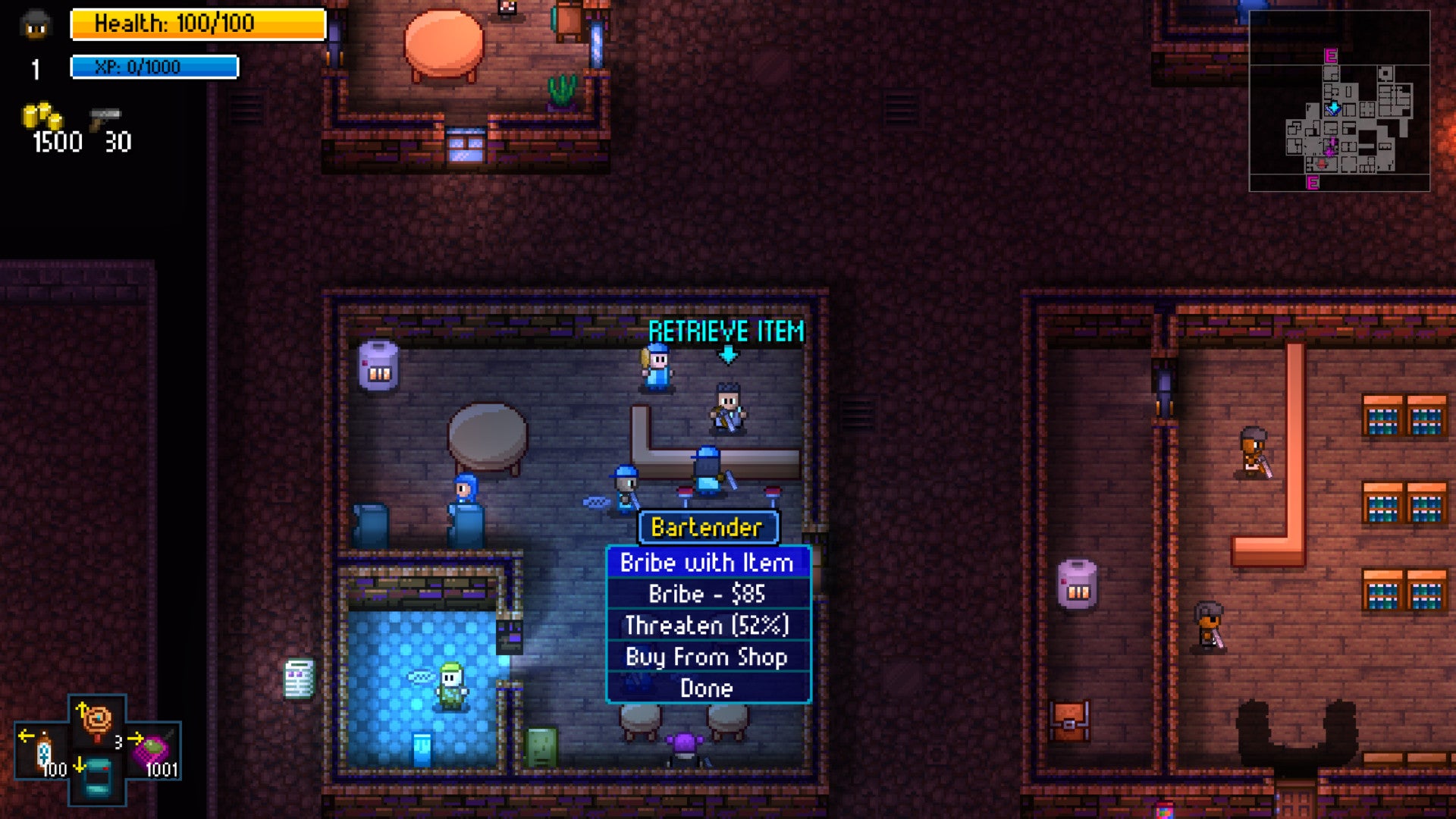
The most valuable currency in Streets Of Rogue is chicken nuggets. The in-universe reason for this is that the mayor (the game's final boss) got food poisoning one time from a pack of nugs, and subsequently banned them. But you will need them to level up your character, a gorilla. No, wait, a robot. No, a vampire. Oh actually, a gangster. A bartender? Hmm, maybe a cannibal this time. Ooo! An investment banker. A hacker. Maybe a shapeshifter. A wrestler today. How about a cop? I think you get the idea.
Streets Of Rogue's comedy lies in its unlockable characters and exactly how they will change the way you approach your ascent through its crime-infested sci-fi cityscape. You might hack every ATM on the way up and use the money to hire goons. Meanwhile a co-op friend might just snort enough cocaine to keep themselves supercharged until you both hit the final floor. Honestly, I don't care how you go about it. I'm busy biting people as a zombie and causing a small apocalypse. This one’s actually more difficult to describe than I thought, so check out Brendan's Streets of Rogue review to read what he thought of the experience.
Caves Of Qud
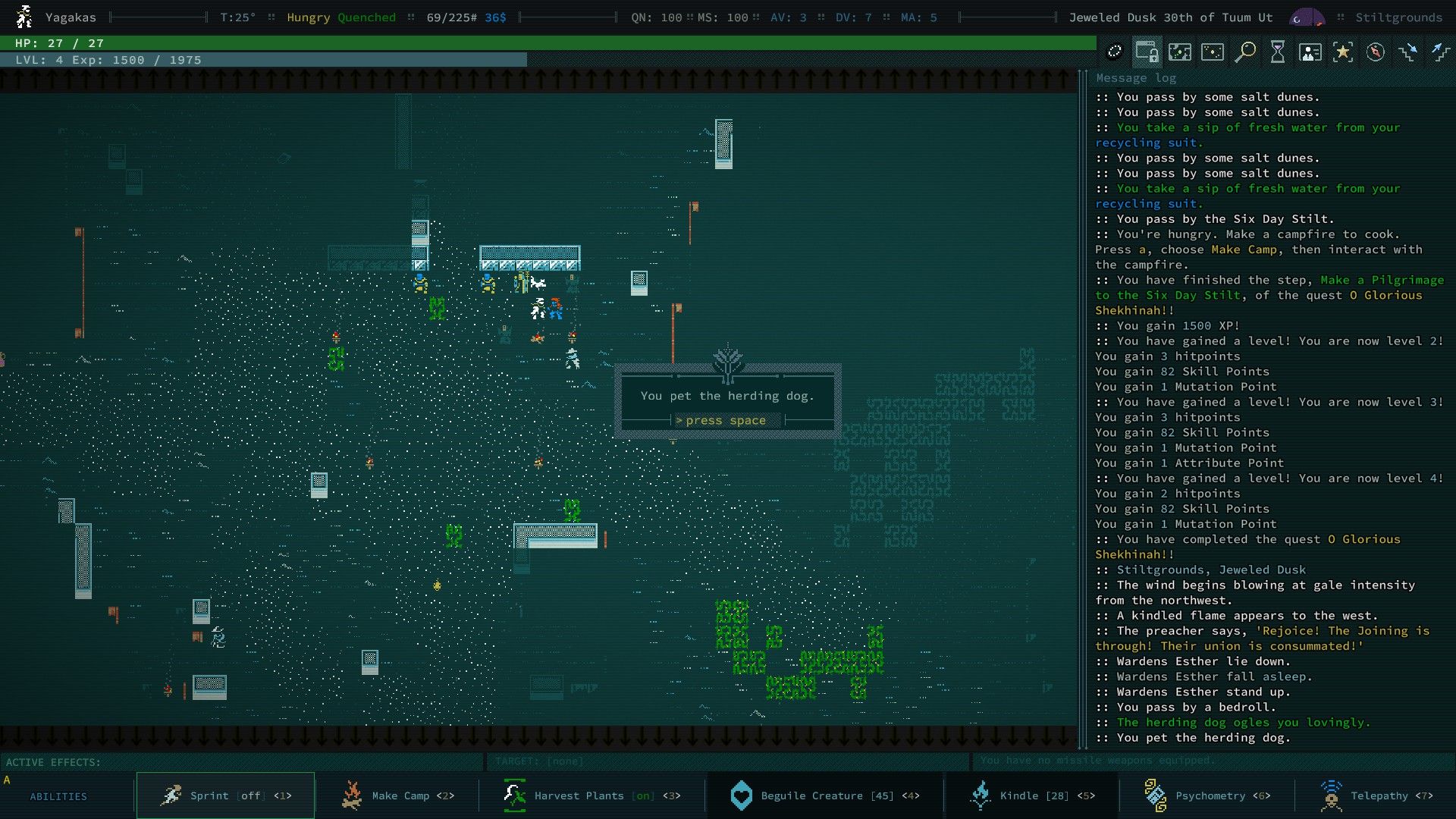
"I'm watching you, traveller," says a voice behind you as you approach a chest that does not belong to you. You turn. There is no one there. Just a small pond. The only living thing nearby is an eel in the water. Hm. You inspect the eel. "I'm watching you, traveller," the fish repeats. It is, according to Caves Of Qud's maximalist descriptivism, a "wet sewage eel and hired guard". You leave the room, and decide not to steal from the chest. This is a mundane encounter by Qud standards, but it's representative of the rich absurdity of this massive post-post-apocalyptic world. On tombstones, you will see descriptions of previous adventurer deaths. "Overdosed on a sphynx salt injector," says one. "Made too many mocking sounds at an ogre ape," says another.
The world is dense with ways to die. One of the game's achievements is unlocked if you "Wear your own severed face on your face", raising a number of questions about the fearful depth of its simulation. It is also perhaps the most traditional roguelike on this list, in terms of its presentation and controls. It is as much for roguelike purists as it is for those seeking a fun-loving, low-fidelity RPG of frightening size. Read Brendan's Caves of Qud review for more on this very special roguelike strategy masterpiece.
Noita
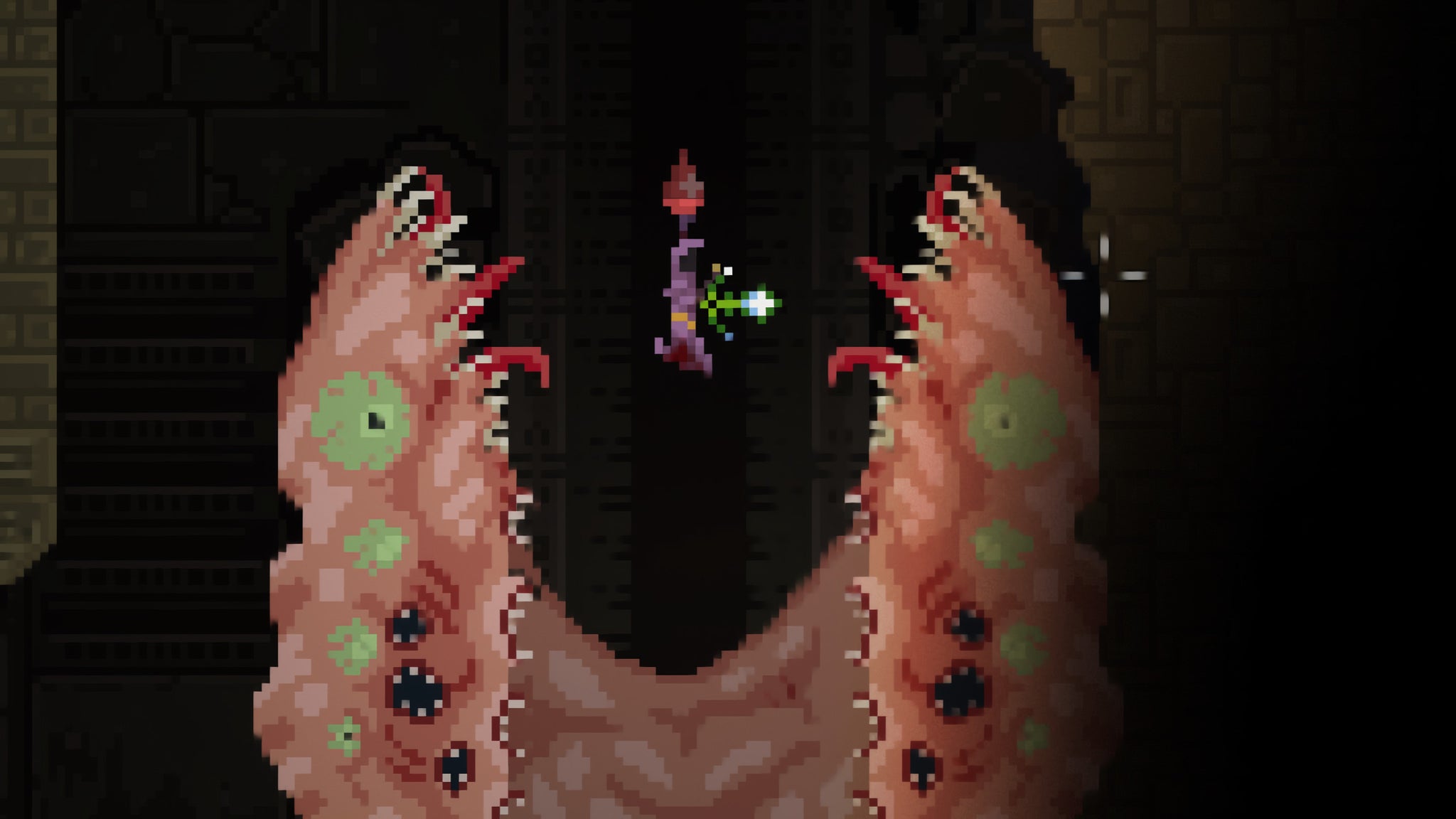
Noita understands wizards. If a wizard found a mysterious wand buried in a deep tomb beneath ominous statues, that robed rapscallion would not hesitate to point it at the first frog and fire it off. Roguelikes have branched out into many flavours since ye olde days of Rogue itself. But one thing many of them have forgotten is the chaos that comes from curiosity. Drinking potions to find out what they do is one thing. Blasting subterranean ghosts with a random glowing stick you just picked up is entirely another, and it gives Noita's dank dungeon dives so much comedy fuel. Even more joy erupts when you understand the importance of swapping spells between wands, and combining the flying sawblades, magical dynamite, teleportation, toxic mist, and watery sludge into a single supreme Idiot Twig that will shuffle the spells like a fatally explosive Spotify playlist. If you played Spelunky and thought "this game is not unpredictable enough", then you are probably a wizard, and Noita is for you. Still not convinced, read Graham's Noita review for more on why he adores this game.
Wildermyth
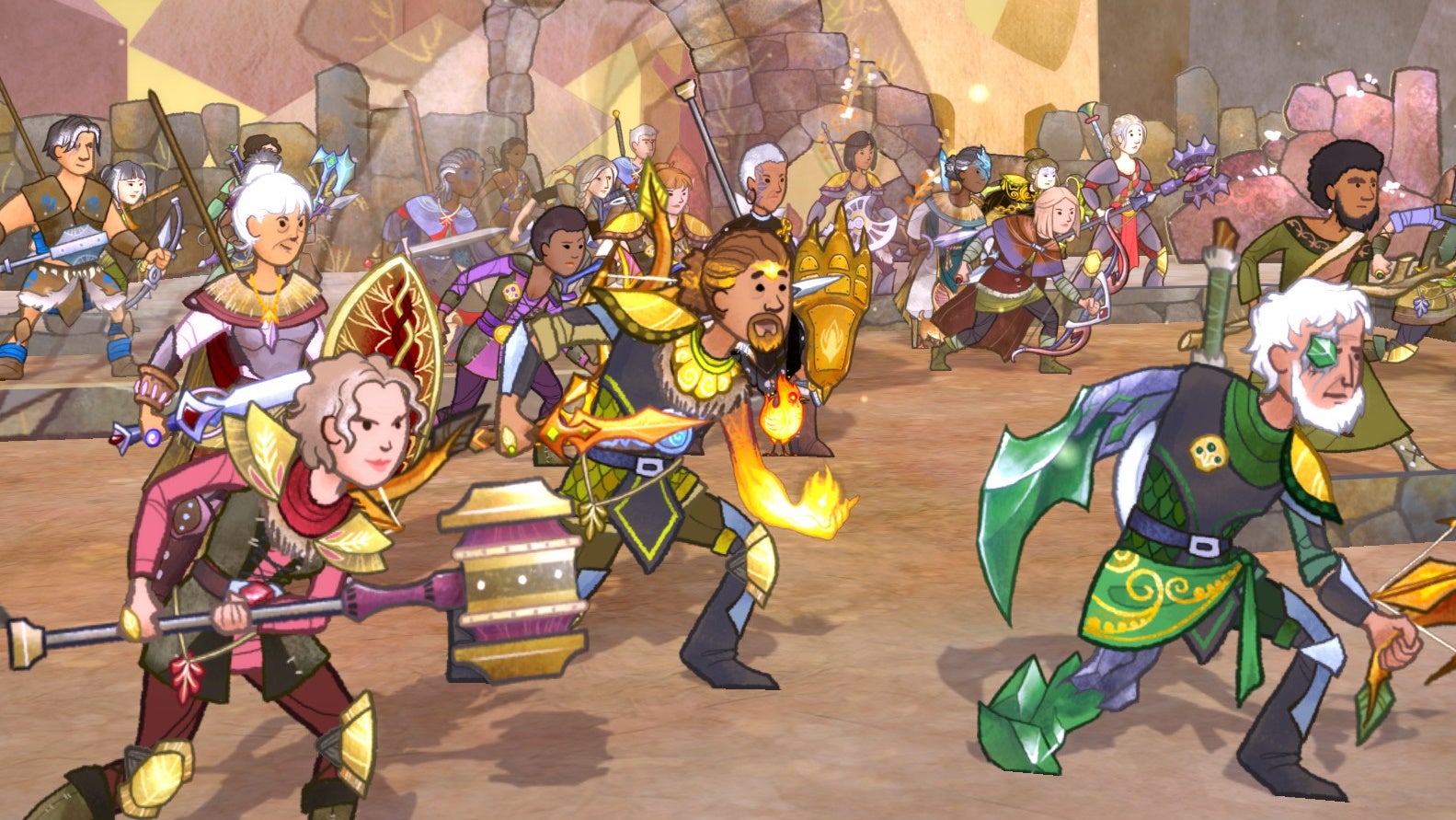
The brighter alternative to Darkest Dungeon 2, in the sense that Wildermyth too is about the relationships and story that emerges from your characters' journey. There's a lot of tactical turn-basery in this RPG, with fights taking place on a grid in a colourful papercraft world. But it's the procedural storytelling and clever narrative mechanisms that make your heroes memorable. And if they get bested in battle they won't necessarily die. Instead they'll often receive a harsh wound that will affect their personal story in unforeseen ways. Unless of course... it makes sense for them to die? This is something more games could embrace. Choice is a hugely important element of roguelikes, and Wildermyth understands that. It trusts the player to shape the arc of a story, even to give the nod for a final act of desperation or heroics. "I cannot possibly express to you how brilliant Wildermyth is," Sin said in our Wildermyth review. "It is one of the best games I have ever played and it will bring you more delight than you thought possible."
Risk Of Rain 2
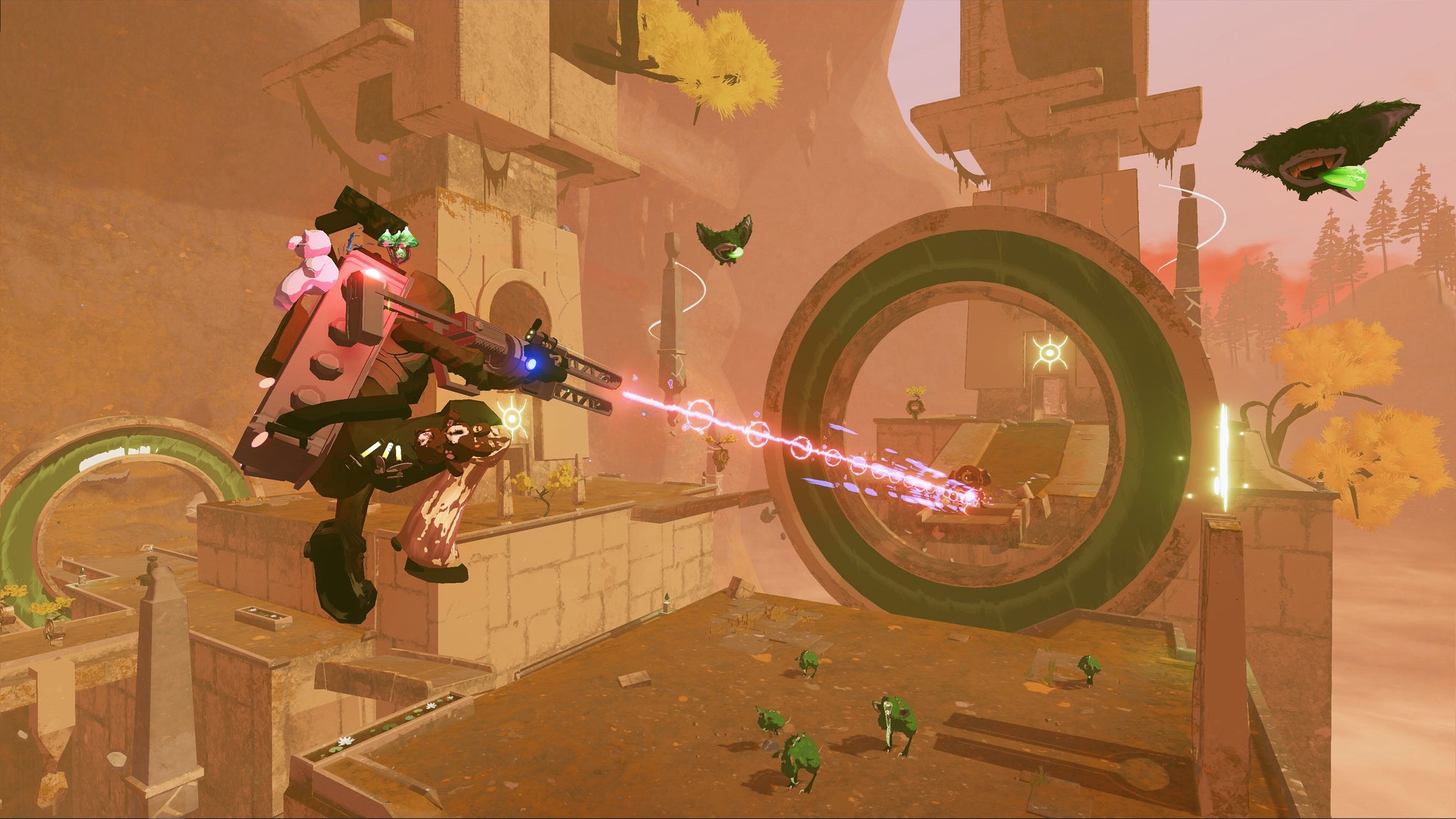
The first Risk Of Rain was an out-of-nowhere sci-fi survivathon pitting up to four co-op castaways against waves of alien lizards and robot giants. Its pixel simplicity hid a huge variety of power-ups and relics that changed how each character would fight. Seven years later the developers basically shot their ruckusome roguelike with a big ray gun labelled "turn into 3D" (it was probably more difficult than that, but still). The pixel art disappeared but the magic remained. Up to four friendfolk can now dash around the bright 3D levels of this sequel, scooping up teddy bears that negate damage or gasoline tanks that set crowds of extraterrestrials on fire. In Matt's Risk of Rain 2 review, he highlighted the killer soundtrack of electric guitar warbling that gives the drop-in-and-mess-dudes-up action even more spacey appeal.
Hades 2

Smite us not. The first Hades is a good game. But this list isn't big enough for two errant spawn of the underworld. Hades 2 builds on the slashing and dashing of its predecessor by giving your new hero, Melinoë, a crowd controlling spell. This change stood out in Mark's Hades 2 review, where he declared it a small but significant change to the rhythm and one that helps propel you downward (and upward) through grim realms full of ancient Greek misfits. Supergiant's storytelling is also out in full regalia, filling your runs with characterful encounters and clever dialogue. In most roguelikes, you chase new powers, upgrades, and gizmos, building a body that can survive a complete run. You still aim for that in Hades 2, of course, but you're also building something else: a cast of weird new friends.
Slay The Spire

Slay The Spire's mystical power is such that it spawned an entire genre - the roguelike deckbuilder. You can bet your bottom relic there are others on this list that look to its cardy clamber up a surreal spire for direct inspiration. It had a hefty proportion of the RPS treehouse in its claws for months, and it only takes a few runs to see why. It is a game of improvisation and luck, but also one of cunning and craftiness. At its most basic, you have a hand of cards and a violent freak in front of you. The exact order in which to discard and dispatch cards is your recurring conundrum, but it isn't your only one. Each dive into this dungeon presents you with decision after decision, and the gambles you make in choosing one card over another are as significant as the ethereally perfected arithmetic that underlie the game's design.
I could not tell you what half of Slay The Spire's enemies are made from; they are beasts from the sad nightmares of Salvador Dalí's gamer cousin. But I can tell you that finally defeating the most fearsome of them will not quell your thirst for another run. It is likely nothing will. Read Alec's Slay the Spire review for more on what makes this deckbuilding roguelike tick.
Against The Storm

Your main enemy in Against the Storm is the rain. Well, actually, I suppose it’s the growing boredom of your boss, who happens to be the Queen. As the Queen’s Viceroy, it’s your job to rebuild a host of interconnected settlements as apocalyptic rains batter the world around you. As Liam highlighted in his Against the Storm review, there’s a rewarding and complex roguelike system at the heart of this citybuilder, one that frequently delights by creating bespoke puzzle boxes out of its settlements.
There’s no real combat here, making Against the Storm a very different kind of roguelike when compared to most of the games on this list. It’s also primarily a citybuilder, though that’s really just added flavor to a whole sea of interconnected mechanics pulled from a wide range of genres. It’s a soup of sorts, and a hearty one at that. Be warned, the first few hours can be a little intimidating, but it will all click into place and you’ll be facing the rain down with confidence, and a whole host of fantasy creatures on your side in no time.
Mewgenics

Mewgenics is the latest from The Binding of Isaac creator Edmund McMillen, and long-time collaborator Tyler Glaiel (Aether, The End is Nigh), and as such, there’s quite a bit of pressure on it to measure up. Thankfully, Mewgenics has landed to critical acclaim and plenty of buzz. In his Mewgenics review, Callum attributed this success primarily to the tight and delightfully tactical, turn-based gameplay. It has some of the best bits of Into the Breach, grafted onto a gross-out and sordid experience that could only really have come from this collaborative duo.
You’ll micromanage the breeding of your cats (yup), engage in tightly designed dungeon crawling, and send your feline minions to their respective ends. It’s a real mash up of a bunch of different things, much like everything else on this list, and in truth, you won’t really get Mewgenics until you try it out yourself. It’ll be interesting to see how Mewgenics evolved over time, but for now, it’s already an absolute masterclass in roguelike design.
Ball X Pit

Ball X Pit picks up the baton passed along by the likes of Balatro and Vampire Survivors, and expertly runs ahead with a triumphant brick-breaking spin of the roguelike genre. Yes, that’s brick-breaking in the arcade classic sense. Think games like Breakout, except the bricks are made of monsters and the balls are made of iron, or fire, or mosquitoes… In Ball X Pit, you march slowly down a path as advancing hordes of monsters block your attacks. Of course, these monsters are brick-shaped, and perfect for bouncing stuff off of.
Much like in Vampire Survivors, the true joy of Ball X Pit is found in the wide variety of possible combinations of game modifiers. It's not enough to turn your ball into a life-leeching mosquito, you can also fuse it with a ghost so it passes though enemies, hitting every foe on the way. Each ball type can be upgraded and evolved, and paired with passive unlocks that make for unique synergies. Ball X Pit is very much one of those “just one more go” games, able to draw you in with a suspiciously simple premise before locking you in with a deluge of deeply interconnected systems.
Wall World

Bringing together Manic Miner's mining, Missile Command's defending, and throwing in a spiderbot for good measure, Wall World is a delightful fusion of genres. You start each run of this roguelike half way up a giant wall. Climb up or down and you will find cracks in the masonry which you can dig through to access the minerals beneath the surface. You must leave your spiderbot behind when you go mining and drag all the resources you find back to your mech. You'll want to do this pretty regularly as waves of dastardly aliens will assault your machine while you're gone.
Using the resources from the wall to upgrade your spiderbot's weaponry or your mining suit's drills, it's up to you to survive wave after wave of enemies and bosses. As game loops go, it's deeply satisfying. While there is a sequel, Julian prefers the first entry, finding that the game’s two halves (combat and mining) are better balanced against one another. The core difference, and the main reason why we’re recommending the first game, is that it doesn’t make you fight enemies in the mines. This distinction between mining and combat is what makes Wall World such a compelling proposition, and we wholeheartedly recommend you give it a go.
Slice and Dice

At the start of each run of Slice & Dice you are assigned a party of five random heroes. Each with a unique set of abilities mapped to the different sides of a dice. Your aim is simple: make it through 20 battles intact. When a battle begins, you roll your character's dice and choose to either use the ability that rolled or roll the dice again hoping for something better. Perhaps your warrior's single-damage punch came up and you're hoping for his three-damage mace swing. Of course, you might end up rolling something even worse. So every turn becomes a test of how much risk you're willing to take.
Like many of the other games on this list, Slice and Dice excels in its build variety. You’ll be shocked by how different your party compositions can be when you compare rounds, and there’s just so many possible combinations of attacks, abilities and buffs to figure out as you go.
Dead Cells

Run wreck smash jump slam slice heck dash roll oh no slash dash slash jump slash run damn dead. That is the average run in Dead Cells reduced to the stream of consciousness purity of buttonthought. This side-scrapping 2D dying simulator marketed itself, once upon a time, as a "roguevania", not knowing that 8 years and several DLCs later, it would be popular enough to be paired with Castlevania itself. Game developers often talk about "juice", the enigmatic fusion of controls, animation, and visual effects that makes a game feel plain good. Dead Cells is not just a great roguelike, it's one of the juiciest games in existence. Read Brendan's Dead Cells review to see what he thought of the game back at launch.
Spelunky 2
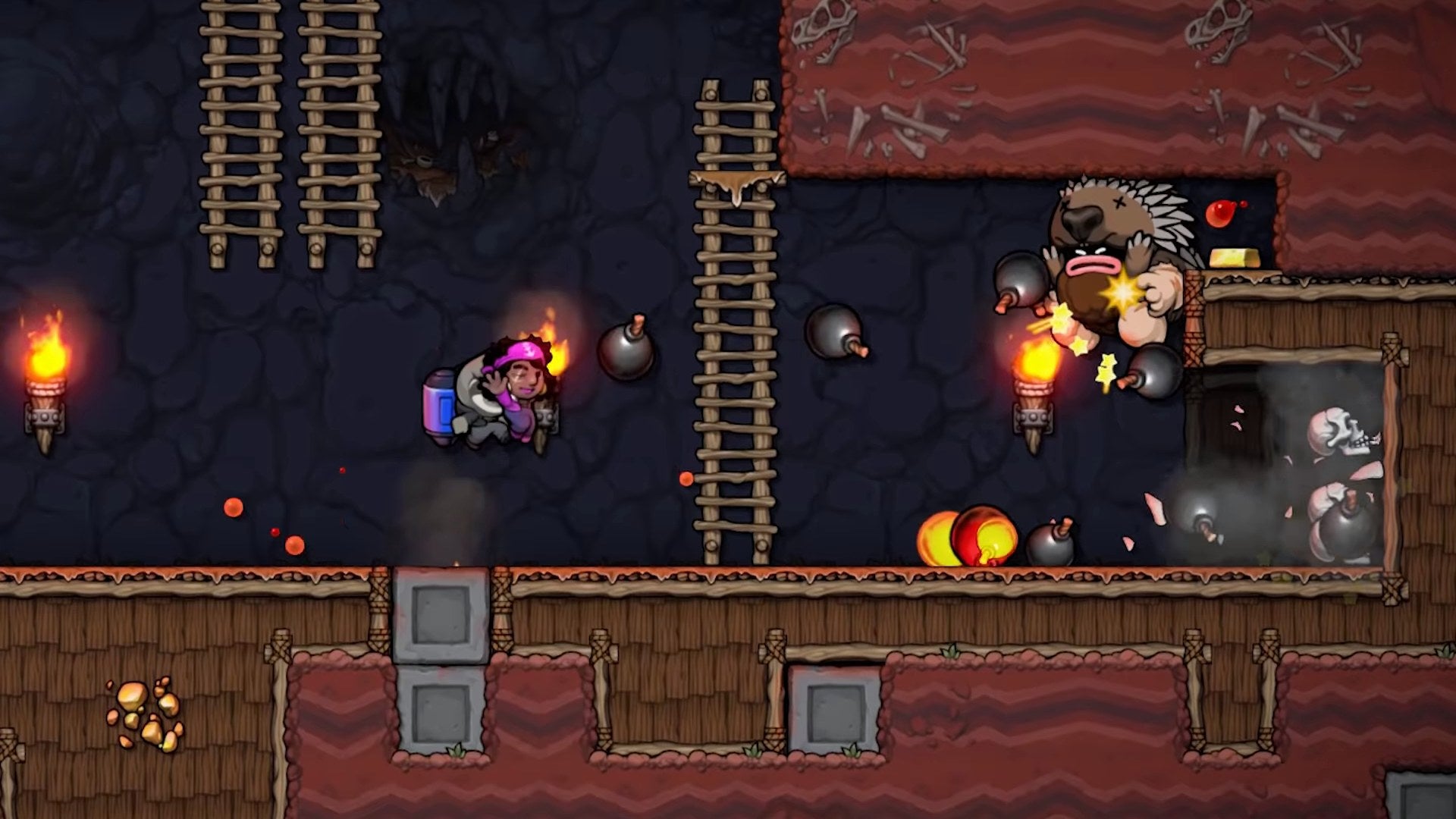
Our Graham calls Spelunky 1 the "best game in the world". So when Spelunky 2 came along, adding turkeys you can ride and moles that dig up from beneath you like a dirt shark, he was thrown into a spiral of confused delight, as evidenced in his stellar Spelunky 2 review. This platformer roguelike is an escapade generator of random rope climbing, dastardly death traps, and pugs that still need rescuing. The typical feeling of playing Spelunky 2 is that of wonder, followed by hubris, followed by a hilarious cascade of errors that will probably see you accidentally blowing up a shopkeeper and being catapulted into a pit full of bone spikes. This was also true of the first Spelunky, but the sequel refurbishes every procedurally generated biome with new items, enemies and quirks. Everything old is deadly again. All this and more makes it "the best game ever 2", according to RPS’ former editor.
Into The Breach
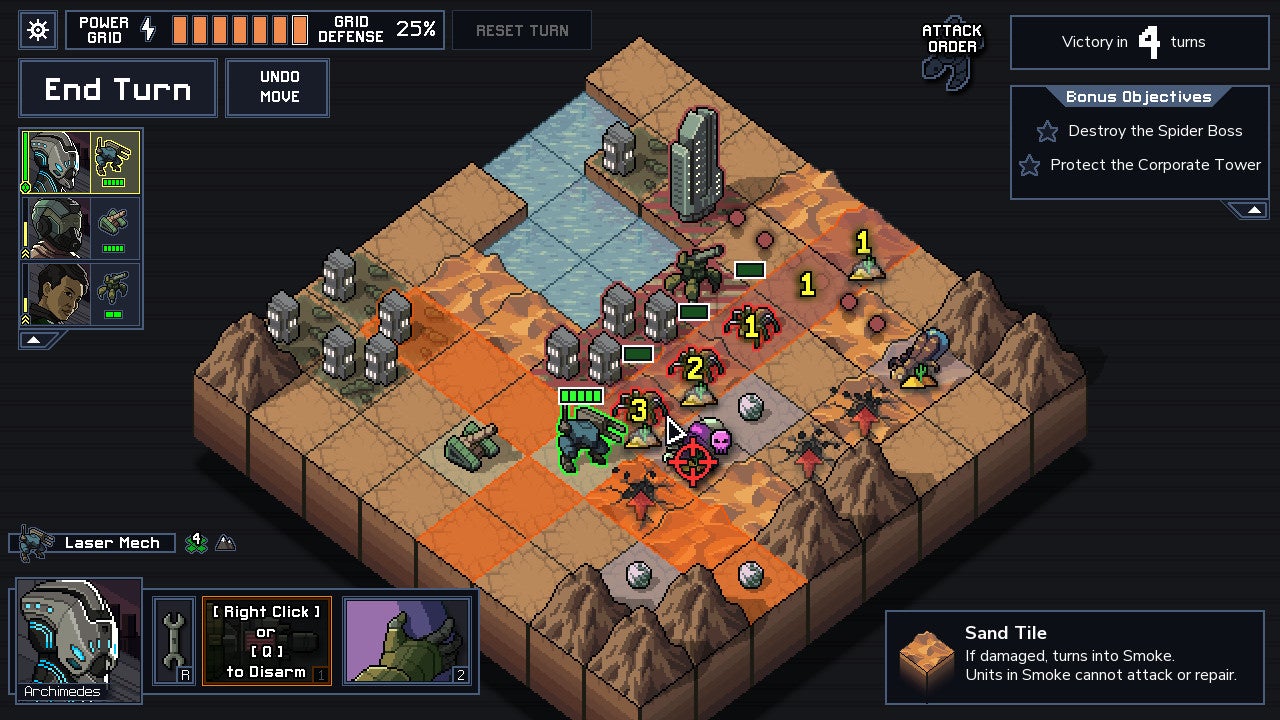
Chess but with giant time-travelling robots. No, that doesn't do Into The Breach justice. Hmmm. Grid-paper XCOM with an undo button. No, that's not it. Turn-based Neon Genesis Evangelion but with an ending that makes sense. Ah, jeez, none of these work. Let's just settle on "best roguelike six years running". The cleverest thing about Into The Breach is also the simplest - it lets you see what's coming. In the same way that Slay The Spire's enemies telegraph their next move, all the horrible kaiju that threaten the skyscrapers of your 8 x 8 dioramaland will show you exactly what they plan to do. It is up to you to move your mechs into the perfect positions to shunt, shove, and shut down those pesky bugs.
In his Into the Breach review, Alec was blown away by how crucial every single decision can be. Some roguelikes are about chaos, about the laughter that comes from disorder, the accidental death resulting from coin-flip decisions that cause everything to go horribly, hilariously wrong. Not so Into The Breach. It is an exercise in searching for the perfect move. And when the perfect move is not obvious, if it is not even possible, then you do the next best thing and cross your fingers.
Think we missed a roguelike? It's possible we forgot to open a chest or two as we plundered these depths. But that's what you're here for. Let us know what your favourite roguelike is, and why you love it so much.
Read this next
- "Keeping this under wraps has been torture": Against the Storm 2 could happen, but first, Eremite are making a survival game set in the city-builder's festering world
- After Epic outline a genAI focused Unreal Engine 6, Vampire Survivors studio Poncle say they're "reviewing" their Fortnite collab
- "Roguelike can be anything": Krafton exec is very tired of being pitched "Balatro with different cards"
